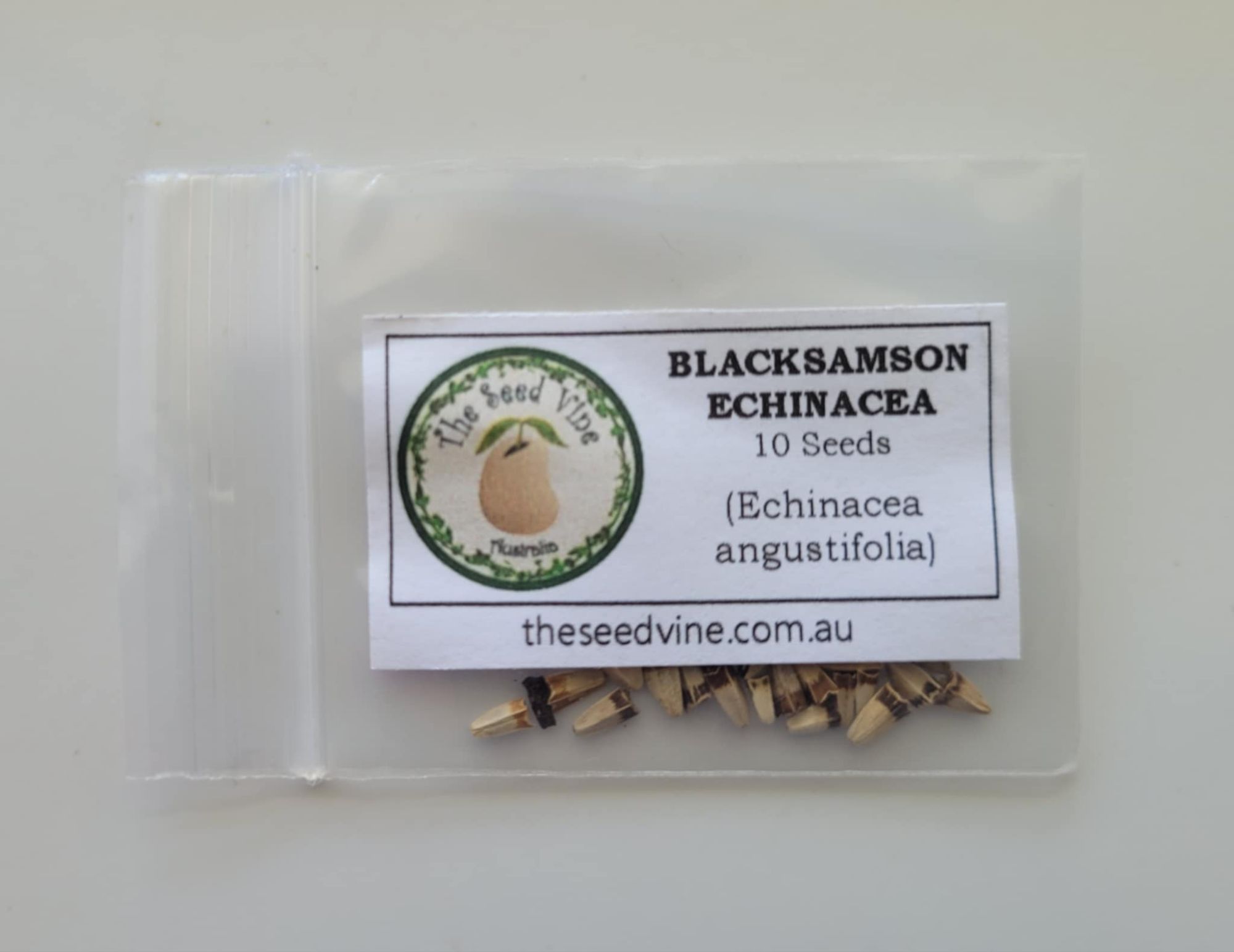
Echinacea angustifolia (Blacksamson Echinacea) is a slow-growing perennial herb plant that is native to much of the Great Plains region spanning Canada and the United States. Sometimes labelled commercially as Echinacea Root, this species in the Echinacea family is prized for its higher potency in traditional and modern medicine.
Suitable for Cold, Temperate, Dry and Sub-Tropical Climates.
Echinacea angustifolia is one of three Echinacea species that produce the anti-viral and anti-bacterial properties that makes the herb so popular throughout traditional medicine. The other two varieties are the Echinacea purpurea (click here for more) and Echinacea pallida.
This particular species is sometimes called Narrow-Leaf Purple Coneflower, Narrow-Leaf Echinacea and is found in the wild across prairies in the northern United States and southern Canada region. Hardy, frost-tolerant and once established a prolific producer of beautiful pink flowers.
To view our full range of herbs click here.
Growth
Echinacea angustifolia is a perennial plant that grows roughly to the size of about 60 cm x 60 cm (24 inches) and strangely prefers rocky soil that provides space away from other plants. Echinacea Blacksamson is tolerant heavy frosts and low temperatures and grows best in a position that receives full sun.
This species of Echinacea thrives independently where the soil is rocky and away from competing plants. They use spindle-shaped taproots that branch off to penetrate around rocks to reach the necessary nutrients while also avoiding waterlogged soils.
Mature plants produce flower heads on the end of long penduncles and contains around 10-20 pink or purple ray florets that are surrounded by up to 250 orange disc florets. They are slow-growing and generally start flowering during their third Summer. Primarily this species is grown for its mature roots which are best harvested during the Autumn following their first flowering season.
Note: Germination instructions can be found in the ‘Germination Instructions Tab’ below. Upon purchase you will receive these detailed instructions via email so that you have a permanent record.
FAMILY:
Asteraceae
CLIMATE:
Cold, Temperate, Dry and Sub-Tropical
TEMPERATURE RANGE:
-10-30°C / 14-86°F
SOIL TYPE:
Rocky, well-draining.
LOCATION:
Full Sun.
HEIGHT:
Up to 60cm (2 feet)
WIDTH:
Up to 60cm (2 feet)
pH:
6.0-7.0
GROWTH TYPE:
Perennial.
WATER REQUIREMENTS:
Light
POLLINATION:
Bees and Butterflies (and Wasps native to North America)
MATURITY:
2-3 years
GERMINATION RATES:
55-70%
GERMINATION TIME:
Cold Stratification for 4 weeks and then 10-14 days at temperatures around 25°C / 77°F.
GERMINATION DIFFICULTY:
Medium
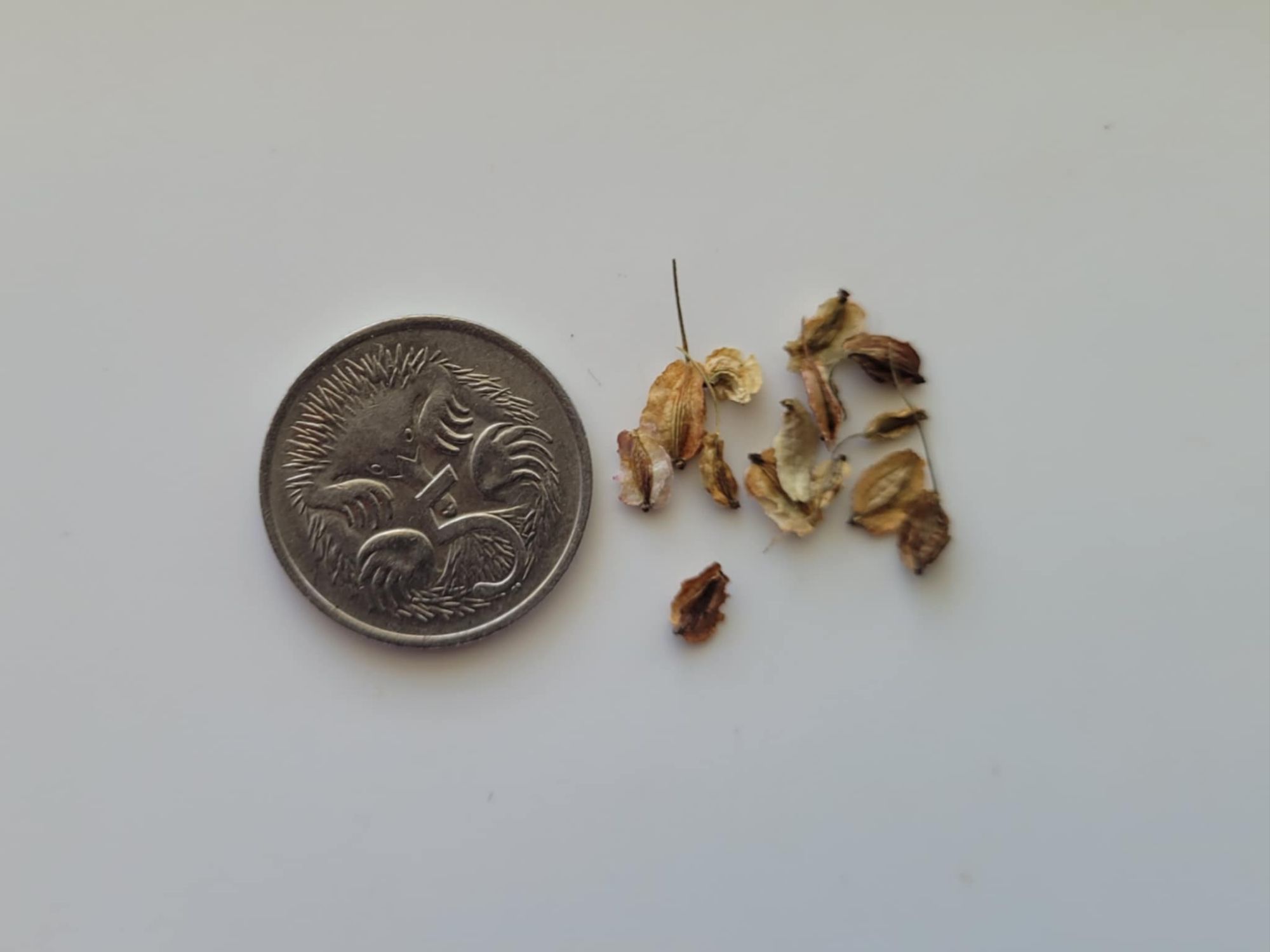
SEEDS PER GRAM:
Approximately 250
MEDICINAL QUALITIES:
Yes
WEED POTENTIAL:
No.
EDIBLE:
No
SEED STORAGE & VIABILITY:
Cold Storage at 4°C (Fridge) up to 5-7 years.
FACTS ABOUT ECHINACEA ANGUSTIFOLIA (Blacksamson Echinacea)
The word “Echinacea” is derived from the Greek word “echinos” meaning sea urchin or hedgehog which is a feature that can be observed in the flower head of the plant.
Echinacea is one of the world’s most important medicinal herbs and is used in over 200 pharmaceutical applications in Germany. But it is the North American native tribes that have concocted the most remedies from the plant. For centuries, they have used it to relieve allergies, stimulate the immune system, treat sores and wounds and even make fusions to assist with snake bites.
In modern western culture, a wide range of medications are Echinacea based and are mainly aimed at assisting with colds, coughs and flus as well as their related symptoms.
Echinacea is a highly attractive plant for bees and butterflies providing a rich nectar and hard to miss flowers. Though it prefers independence away from overcrowding plants, the Echinacea is of great benefit to other plants throughout the garden. Overwinter for example, the plant acts as a protector and shelter for many beneficial insects, retaining them for the next Spring.
For a guide to the differences of the three main Echinacea varieties click here.