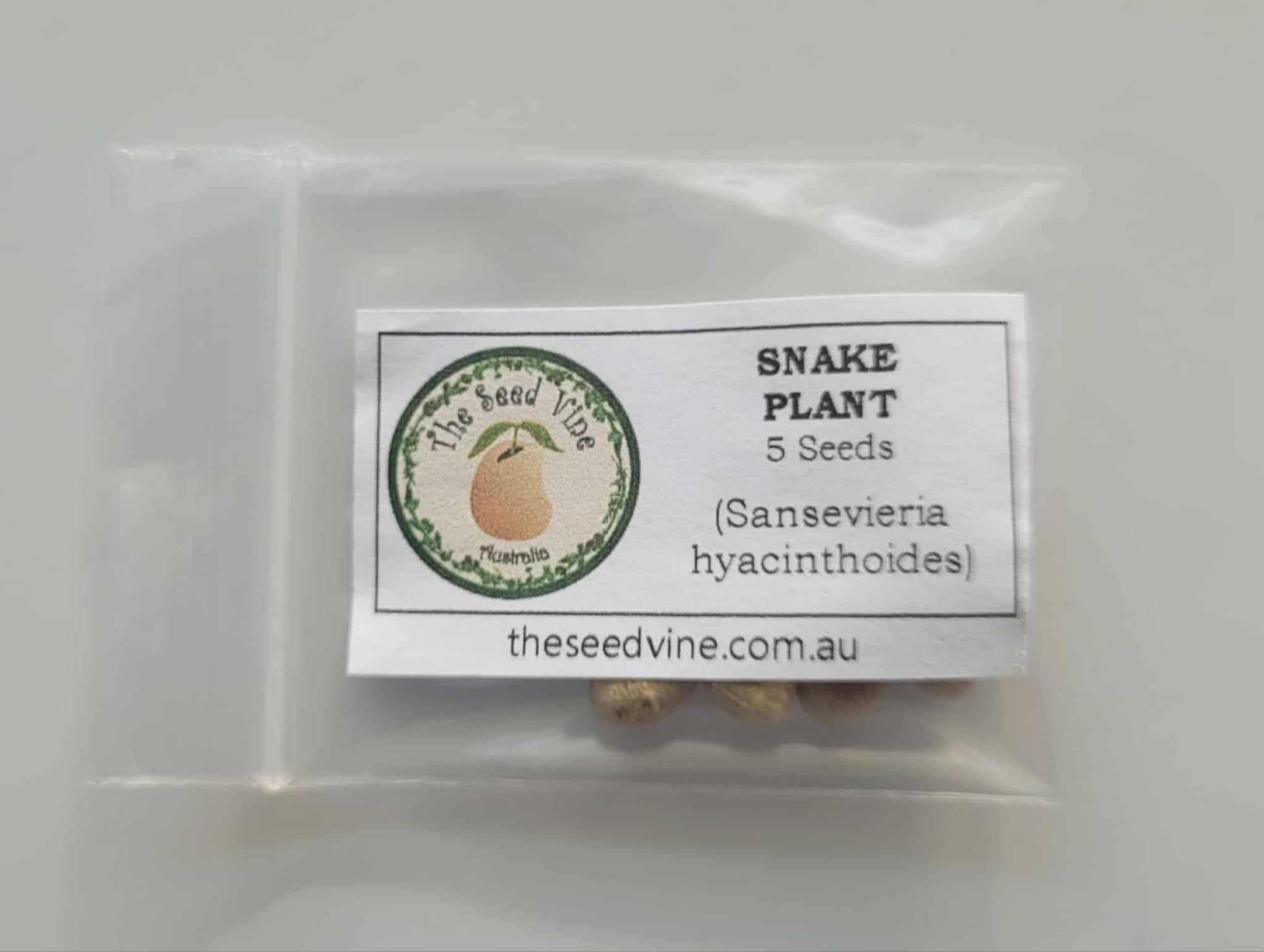
The Snake Plant ( Sansevieria hyacinthoides ) is a herbaceous perennial plant that has become popular as an indoor plant due to its air purifying qualities. With its unique succulent foliage and low maintenance care its easy to see why this genus of plants is now such a well known favourite. This species is also know as the ‘Mother-in-Laws Tongue’ and ‘Bowstring Hemp’.
Suitable for Sub-Tropical and Tropical climates unless growing Indoors.
The air purifying qualities of this plant make it a great addition around the house for asthma and allergy sufferers. For more information on this topic, click here.
Sansevieria hyacinthoides is native to tropical Africa and Southern Asia, however tolerates cooler temperatures down to 5°C but does not appreciate frost. Thus species can be grown indoors in colder regions.
Growth
The Snake Plant can grow quite quickly in the right environment. Being a naturally tropical plant it prefers some humidity but does not seem to tolerate wet boggy soil, in fact this plant seem to be much happier in drier soils. Sansevieria is quite drought tolerant once established. If planting out into an area with high rainfall, it is best to plant it up a little higher in the garden to avoid root rot. A full sun to shaded spot is fine but these plants seem to be healthiest in filtered light/dappled shade locations.
Sansevieria hyacinthoides beautiful thick, sword like leaves can grow as tall as 50 cm’s (20 inches), the plant can spread to 12-25 cm’s (5-10 inches) wide. The leaves of this species are somewhat patterned with both dark and very light green. Although they can appear blotchy in their patterns up close, they can look striped from a distance.
When the plants are growing well they will send out fresh shoots from under the ground, starting a whole new plant which can be divided/separated off and re-potted elsewhere. So, if you look after this plant well, you may not ever need to buy another.
Note: Germination instructions can be found in the ‘Germination Instructions Tab’ below. Upon purchase you will receive these detailed instructions via email so that you have a permanent record.
FAMILY:
Asparagaceae
CLIMATE:
Temperate to Tropical, Indoors in Cold Climates.
TEMPERATURE RANGE:
5°C to 38°C / 50 to 100°F
SOIL TYPE:
Well draining soil. This species tolerates poor soils well.
LOCATION:
Full Sun – Shade (Prefers indirect light).
HEIGHT:
Up to 50 cm’s (20 inches)
WIDTH:
Up to 12-25 cm’s (5-10 inches)
pH:
6.5-7.5
GROWTH TYPE:
Perennial
WATER REQUIREMENTS:
Low
POLLINATION:
Pollinated by Insects, can be hand pollinated
MATURITY:
4-5 years. Flowering is sporadic and more often seen in plants that are not thriving.
GERMINATION RATES:
59-64%
GERMINATION TIME:
8-12 weeks
SEEDS PER GRAM:
Approximately 6
MEDICINAL QUALITIES:
Yes.
WEED POTENTIAL:
Considered a weed in some Caribbean Islands.
EDIBLE:
No, can cause toxicity to both humans and animals.
SEED STORAGE & VIABILITY:
Cold Storage at 4°C (Fridge) up to 2 years.
FACTS ABOUT SANSEVIERIA HYACINTHOIDES (Snake Plant)
Sansevieria leaves were traditionally used in Africa for their fibre, which was used to make ropes, fishing lines and baskets. More recently studies are been performed to evaluate the strength & low density due to its apparent renewability and abundant availability.
The leaves of Sansevieria were used as bandages in traditional medicine. The plant is reported to have antiseptic and anti-fungal properties. Keep in mind though, that this plant can cause mil toxicity if ingested.