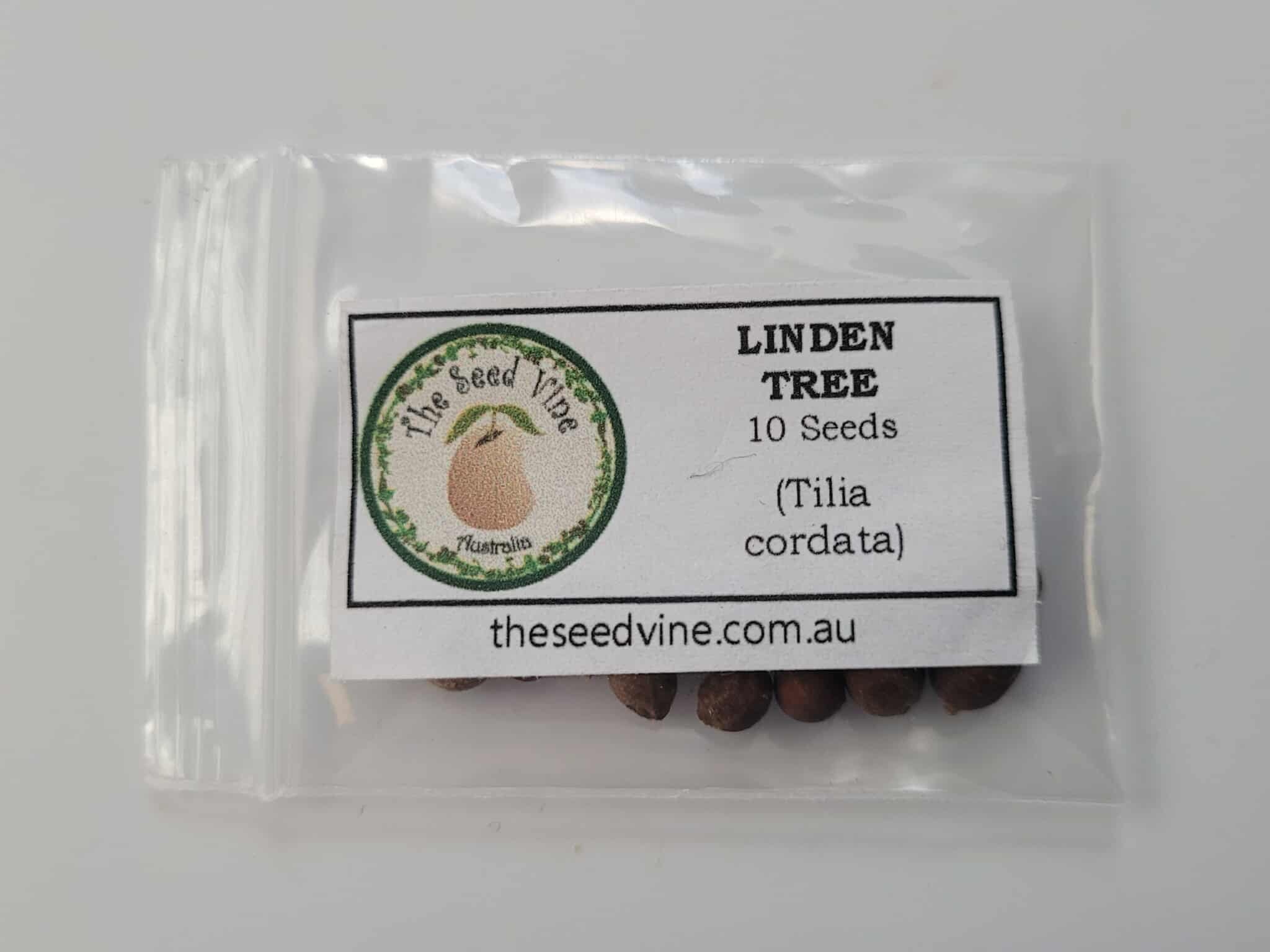
Tilia cordata (Linden Tree) is a medium-sized deciduous tree that is native to mainland Europe and western Asia. Linden Trees have a wide range of purposes that include wood crafting, herbal teas, autumn ornamental, shade and is becoming popular among bonsai enthusiasts.
Suitable for Cold and Temperate climates.
Tilia cordata is also commonly known as the Small-Leaved Lime, Small-Leaved Linden, Little Leaf Linden and Pry Tree. Primarily native to cold areas of Europe and mountainous regions of western Asia, the Linden Tree has claims to be one of the most versatile trees available (see facts below).
Note: Linden Tree seeds is one of the most difficult seeds to germinate. They require patience, a combination of pre-treatment methods and some gardening experience.
For more varieties that are ideal for bonsai growing click here.
For more trees varieties click here or to view our full range of medicinal herbs click here.
Growth
Tilia cordata is a deciduous tree that grows to a maximum height of 30 metres (98 feet) and a maximum width of 12 metres (39 feet). Linden Trees so cold hardy one of the largest specimens is growing in Sweden where its trunk diameter is over 8 metres (26 feet) wide.
The bark is smooth and grayish when young but as it matures grows firm with vertical ridges and fissures. The branches offer good flexibility for bonsai growers and can handle heavier pruning and shaping then most tree types. The small leaves are alternately arranged and distinctly heart-shaped.
Small, yellow-green flowers are produced in clusters from early summer and have a rich, sweet fragrance that attracts plenty of bees. From seed, it can take around 20 years for Linden Trees to start flowering.
Note: Germination instructions can be found in the ‘Germination Instructions Tab’ below. Upon purchase you will receive these detailed instructions via email so that you have a permanent record.
FAMILY:
Malvaceae
CLIMATE:
Cold and Temperate climate
TEMPERATURE RANGE:
-30 to 30°C / -25 to 85°F
SOIL TYPE:
Soil must be well-draining.
LOCATION:
Full Sun – Part Shade
HEIGHT:
Up to 30 metres (98 feet)
WIDTH:
Up to 12 metres (39 feet)
pH:
5.5-7.0
GROWTH TYPE:
Deciduous
WATER REQUIREMENTS:
Low-Medium
POLLINATION:
Pollinated by Bees and Butterflies.
MATURITY:
20-30 Years
GERMINATION RATES:
30-45%
GERMINATION TIME:
Soak for 1 hour.
Scarify with boiling water for around one hour.
Cold Stratification for 12 weeks, post sowing germination averages around 3-4 weeks.
GERMINATION DIFFICULTY:
Hard-Difficult
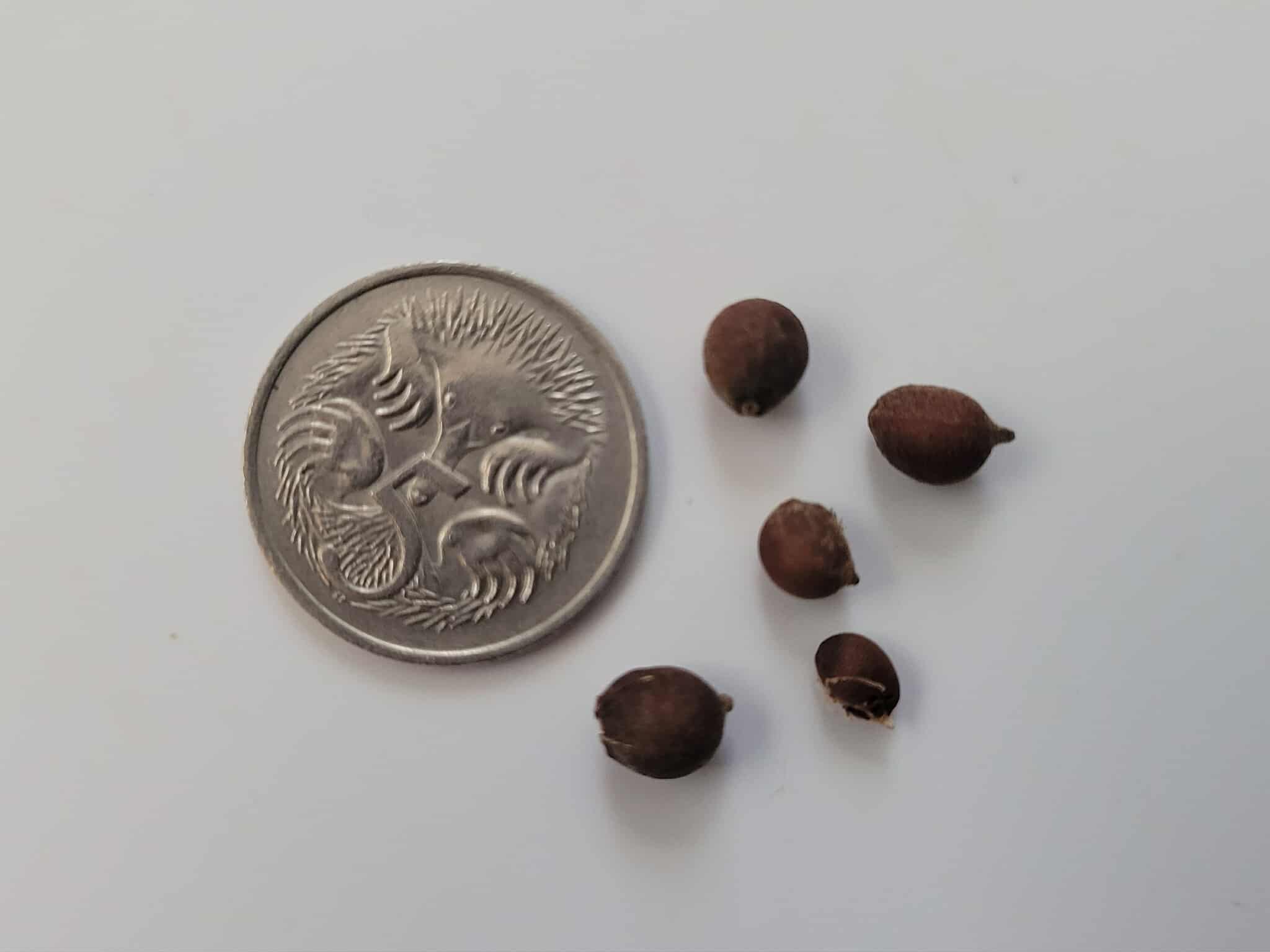
SEEDS PER GRAM:
Approximately 25
MEDICINAL QUALITIES:
Yes
WEED POTENTIAL:
No
EDIBLE:
Yes as part of a herbal tea.
SEED STORGE & VIABILITY:
Cold Storage at 4°C (Fridge) up to 4 years.
FACTS ABOUT TILIA CORDATA (Linden Tree)
Tilia cordata has been known to exist since as early as 760 AD. In some folklore stories, it was a favourite tree of Freya, the goddess of love, and Frigga, the goddess of married love and hearth. Apparently, in some European traditions maidens would dance and hug the tree in hopes of fertility.
Linden Tree wood is used for projects such as carving spoons, beehives and frames and light furniture. A fibre from the inner bark is used to make baskets, ropes and shoes.
Tilia cordata is the national tree of both the Czech Republic and Slovakia, one of two national trees of Latvia and is considered a national symbol of Slovenia.
The flowers of Linden Trees are used in many traditional medicine remedies such as in the treatment of colds, indigestion and hypertension. Flowers are harvested commercially and are now found in most health food stores under Tilia cordata, Lime Flowers or Linden Flowers. The flowers are said to develop narcotic properties if left on the the tree for too long and should be harvest when they first open.
For more information on the medicinal applications of the Linden Tree please click here.