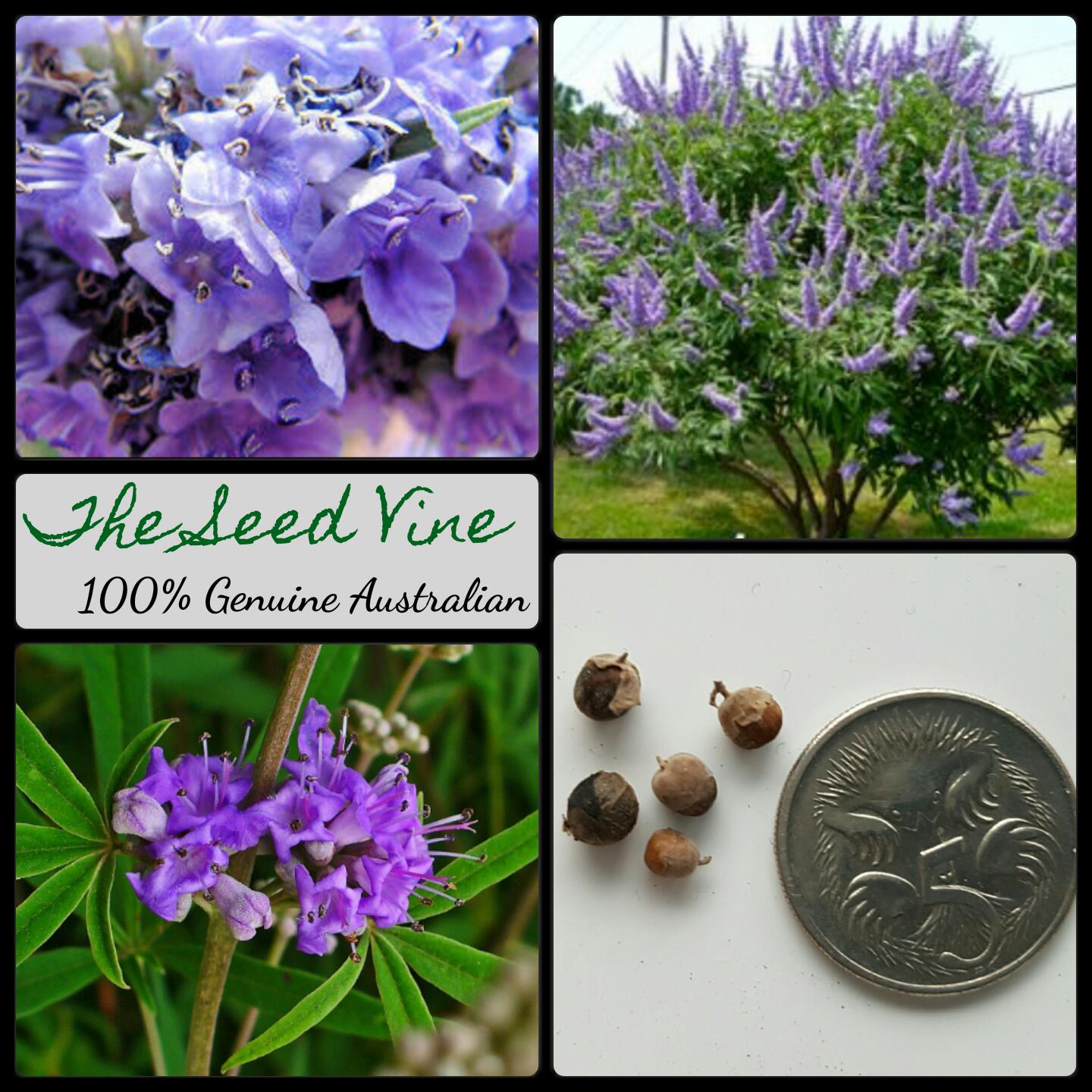
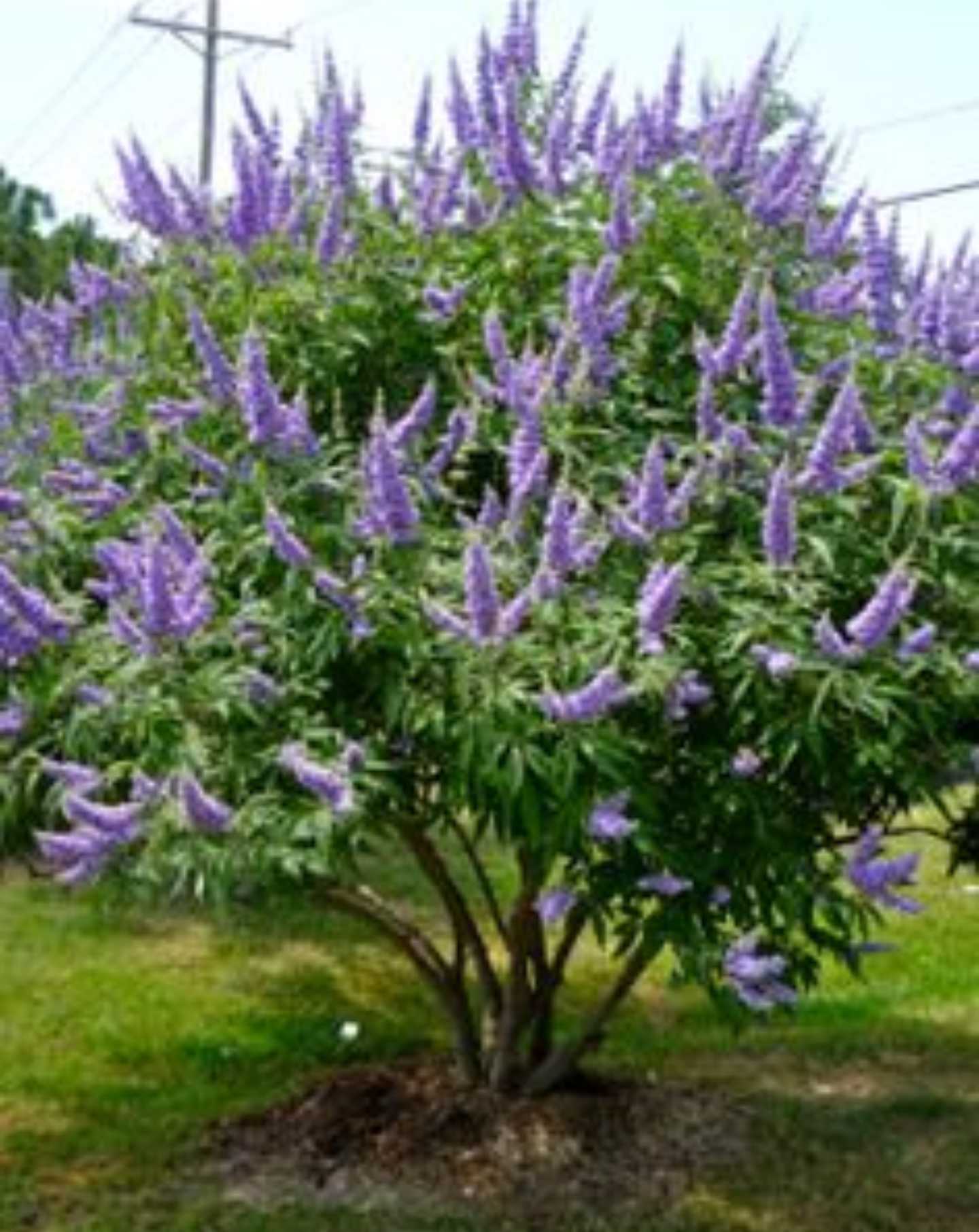
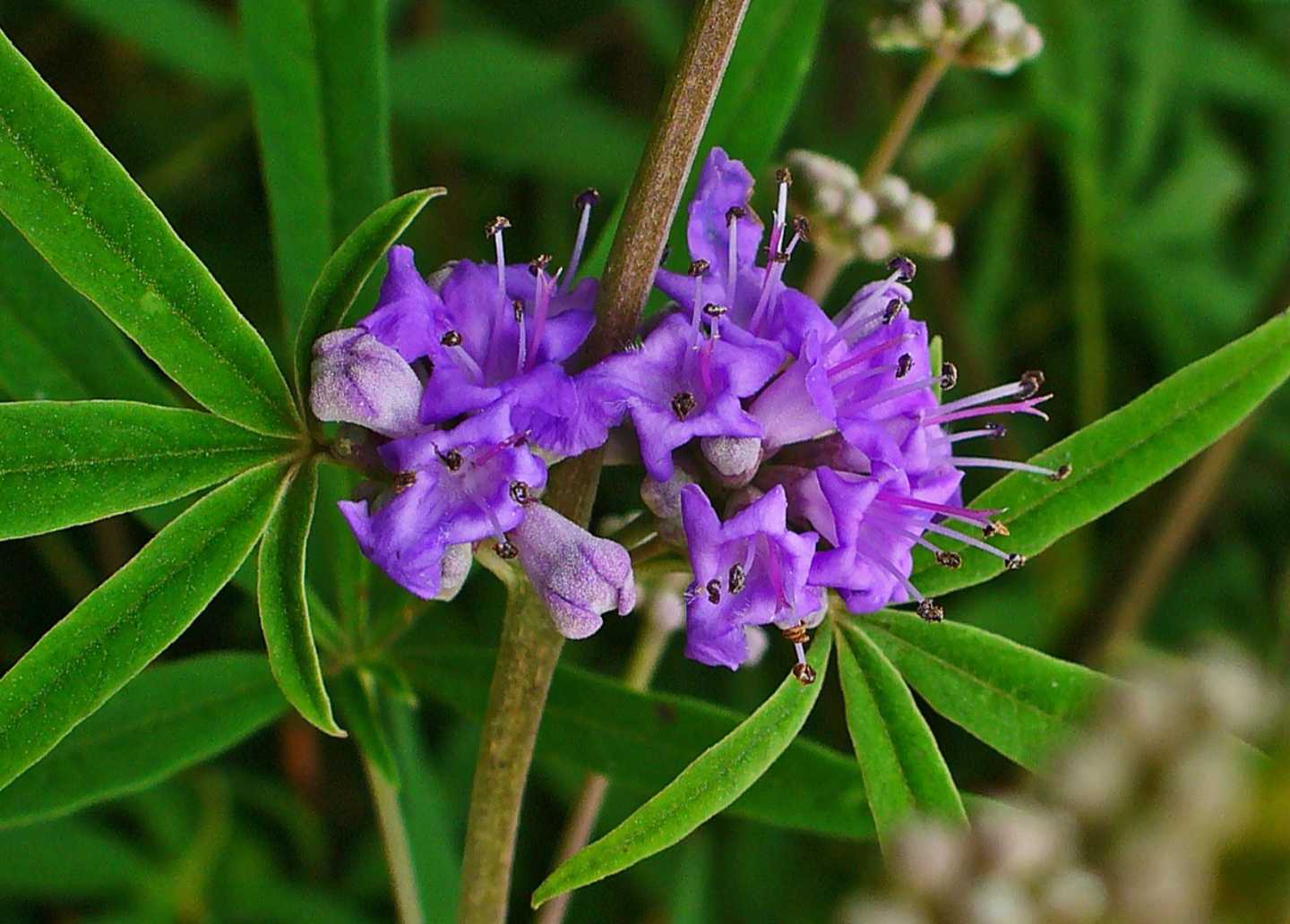
Vitex agnus-castus (Chaste Tree) is a deciduous shrub that is native to southern Europe, in particular the Mediterranean region. Chaste Trees are grown throughout the world as an ornamental, a substitute for pepper and for its medicinal properties which have been used for centuries. It was also a religious plant used in rituals throughout history.
Suitable for Temperate, Dry, Sub-Tropical and Tropical climates.
Vitex agnus-castus is also commonly known as the Chasteberry, Abraham’s Balm, Lilac Chastetree and as Monk’s Pepper. It is also referred to as simply Vitex and has been used in traditional medicines as far back as the Roman Empire.
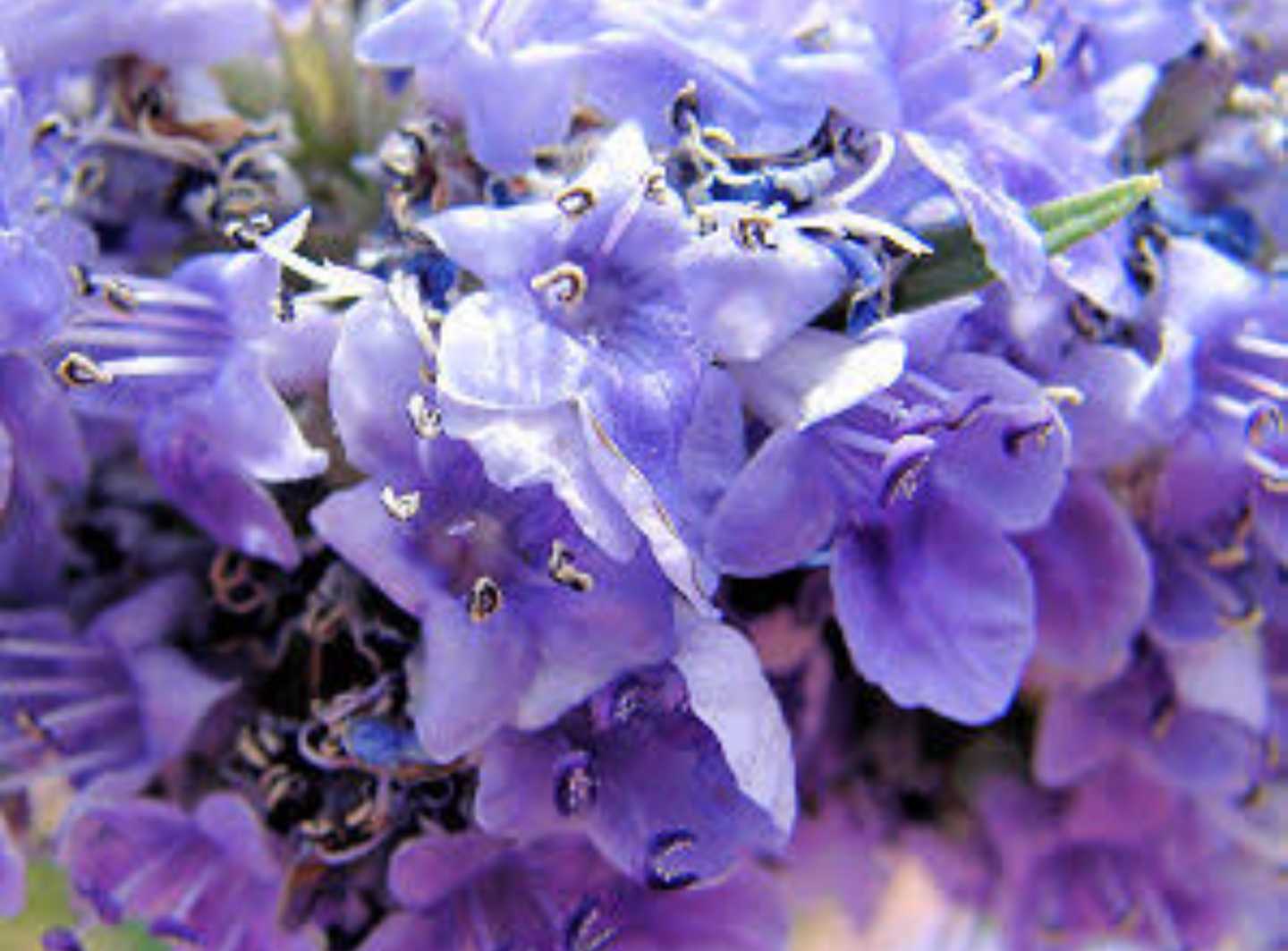
As an ornamental, the perennial shrub has aromatic foliage and produces lavender-coloured spiked flowers during Summer which are highly attractive to butterflies.
For more plant varieties from our Medicinal category please click here.
Growth
Vitex agnus-castus is a deciduous, perennial shrub that grows to 3 metres (9 feet) in height by a width of around the same. Unlike the majority of plants in the Vitex genus, Chaste Trees are more tolerant of frost and temperate climates but do die back over very cold winters.
They prefer a position of full sun or some shade and tolerate a wide range of soils as long as it drains well and isn’t too boggy. In warm climates, the shrub can grow quickly if provided regular water but is also tolerant of dry spells.
For an increase in fruit yield, pruning is suggested during the Autumn. Pruning during Spring increases the growth of branches and leaves but decreases the yield of the fruit.
The flowering period occurs from late-Summer through to Autumn, the same period that sporadic fruits appear at different stages, which makes the shrub difficult to harvest its full yield.
Note: Germination instructions can be found in the ‘Germination Instructions Tab’ below. Upon purchase you will receive these detailed instructions via email so that you have a permanent record.
FAMILY:
Lamiaceae
CLIMATE:
Temperate, Dry, Sub-Tropical and Tropical climate.
TEMPERATURE RANGE:
-10 to 30°C / 14 to 85°F
SOIL TYPE:
Tolerant to most soils as long as they are consistently moist but not boggy.
LOCATION:
Full Sun or Part-Sun
HEIGHT:
Up to 3 metres (9 feet)
WIDTH:
Up to 3 metres (9 feet)
pH:
6.0-7.5
GROWTH TYPE:
Deciduous, Perennial.
WATER REQUIREMENTS:
Low-Medium
POLLINATION:
Insects and Butterflies.
MATURITY:
3-4 Years
GERMINATION RATES:
50-75%
GERMINATION TIME:
Soak for 30 days in water. Post sowing germination averages around 3-4 weeks.
GERMINATION DIFFICULTY:
Easy
SEEDS PER GRAM:
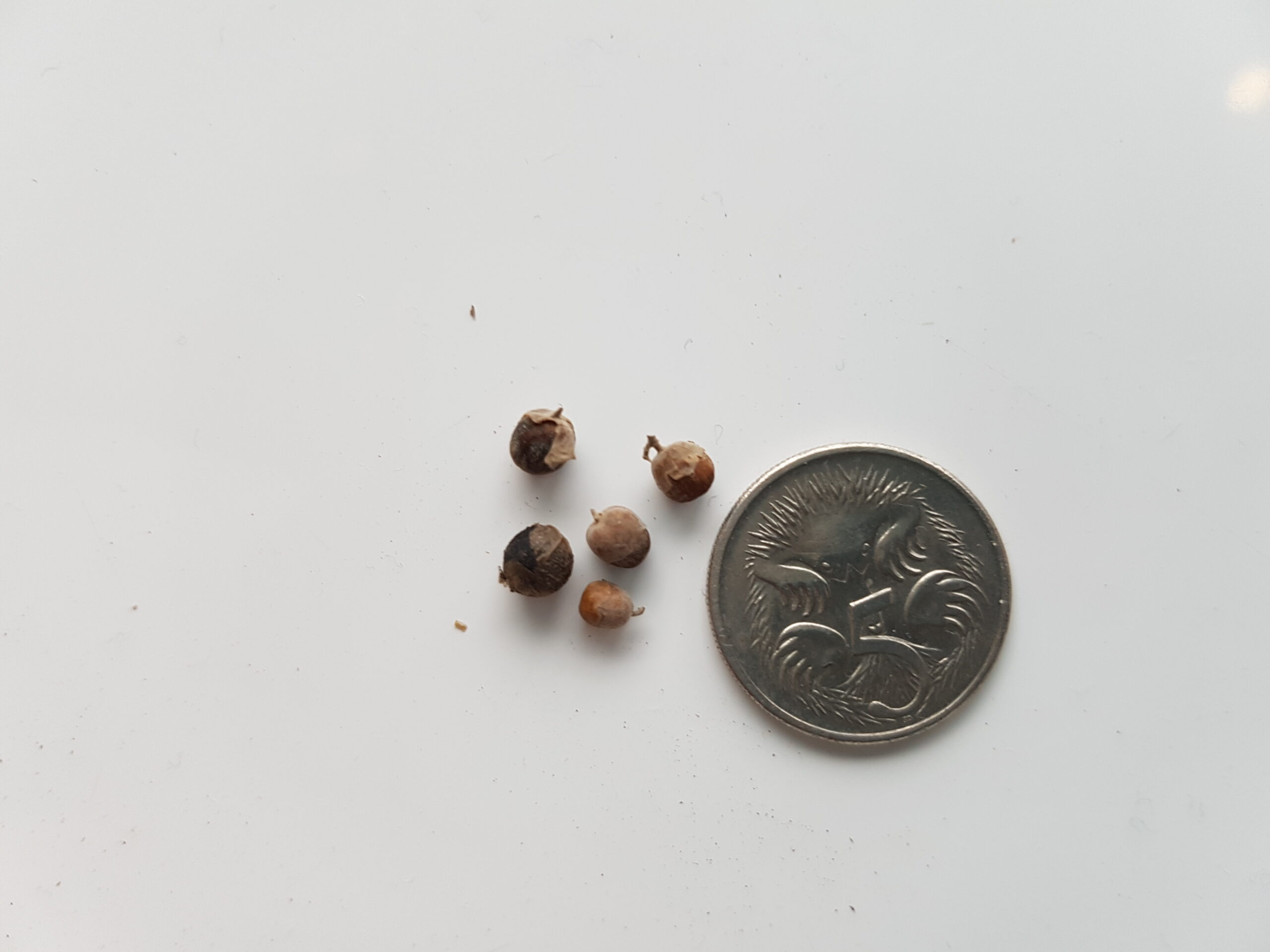
125
MEDICINAL QUALITIES:
Yes
WEED POTENTIAL:
Yes
EDIBLE:
Yes
SEED STORGE & VIABILITY:
Cold Storage at 4°C (Fridge) up to 2-3 years.
FACTS ABOUT VITEX AGNUS-CASTUS (Chaste Tree)
The Roman botanist, Pliny the Elder called the shrub Vieo which means to weave or to tie up, a reference to the plants use in making baskets.
Dried Chaste tree berries are used to support hormonal balance and mood regulation in horses. They can help manage behavioural issues related to hormonal fluctuations, particularly in mares during their heat cycles.
Vitex agnus-was considered to be sacred to the virginal goddess Hestia/Vesta and has long been viewed as a plant that is beneficial for the women’s reproductive system.
The Chaste Tree played a significant role in female agricultural festivals in Ancient Greece with dedications honouring the goddesses Demeter and Persephone. There is also historical accounts of the plants use in crafting an image of Asclepius in Sparta, 100 fruits being found in a Philistine temple in Gath and being used in rituals celebrating Hera at Samos.
Though considered an aphrodisiac, the berries of a Chaste Tree have also been found to have the opposite effect. The reason for this apparent disagreement is that the berries have a regulating effect on the body and so are likely to increase sexual activity in those who are not very active in this area whilst reducing it in those who are very active.
When pounded to a pulp and used in the form of a tincture or extract, the fresh berries have been used to treat paralysis, general weakness and pains in the limbs. The use of Vitex is not recommended for pregnant or breast-feeding women or in children.