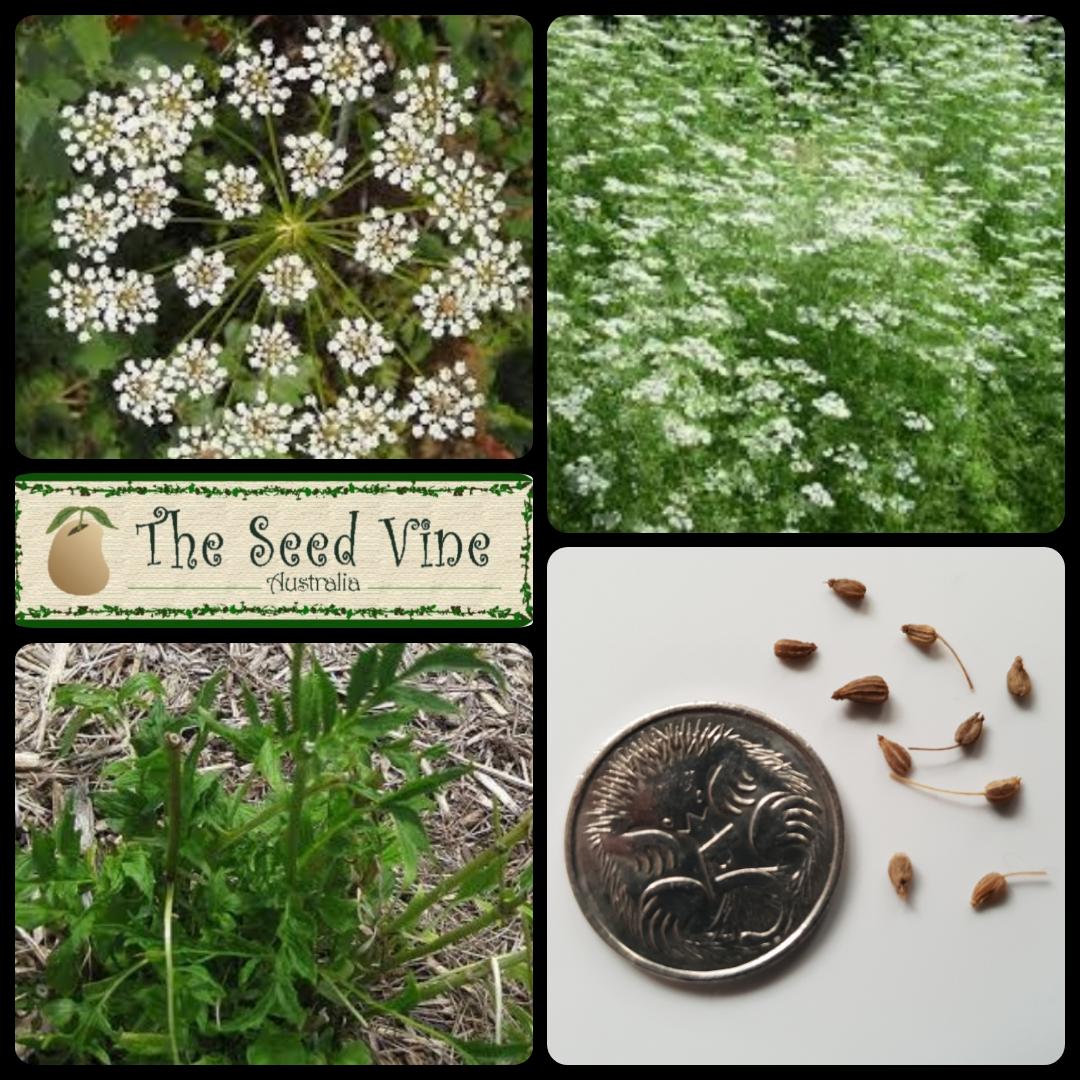
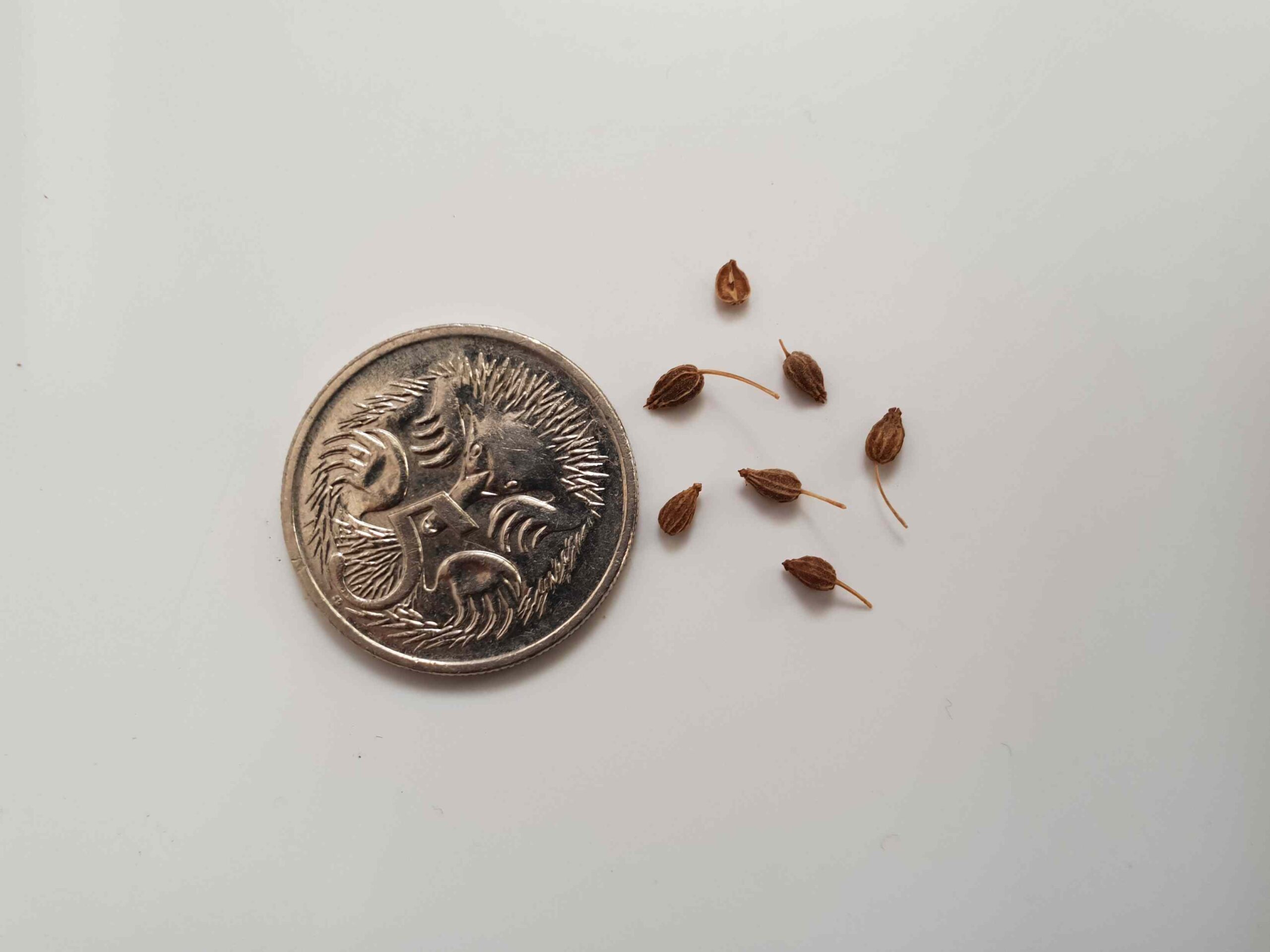
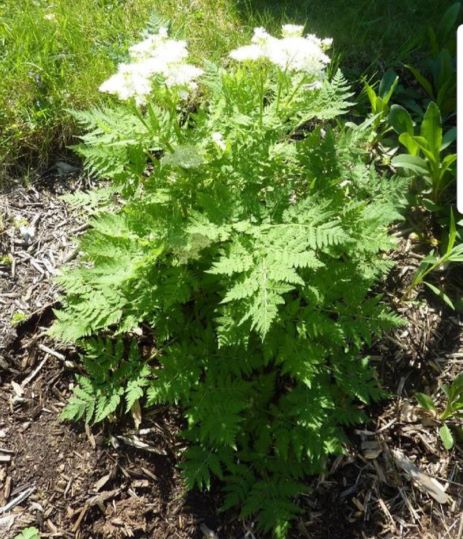
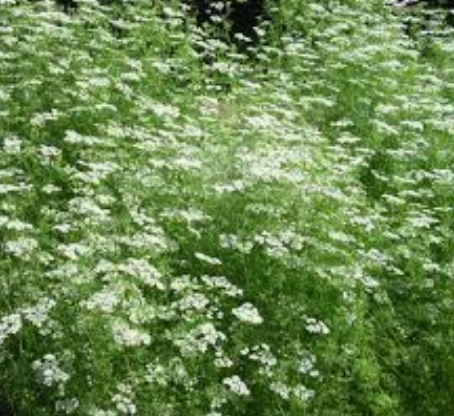
Pimpinella anisum (Anise) is an annual flowering plant that is native to south-west Asia and the region surrounding the Mediterranean Sea. Anise is primarily grown for its liquorice-flavoured seeds which are used in lollies, beverages, liquors and in cuisines throughout their native range. It can also be used medicinally and is apparently a flavour used to lure fish.
Suitable for Temperate, Dry and Sub-Tropical climates.
First cultivated throughout Egypt and the Middle East, Anise was originally brought to Europe for its medicinal value. Famous Roman botanist, Pliny the Elder, suggested Anise was a cure for insomnia, freshened the breath and was a remedy for insect bites. In Turkey, the seeds are used as an appetite stimulant and as a diuretic.
The original medicinal purpose of value for Europeans was the seeds ability to reduce flatulence and belches
To view our full range of herbs click here.
Growth
Pimpinella anisum is an annual herbaceous flowering plant that reaches a height of up to 90cm (3 feet) by a width of around 50cm (2 feet) Anise is best grown in fertile soil with good drainage and should be sown as soon as the ground warms in Spring. As the plants rely heavily on their taproot, they do not transplant well and should be sown directly into their final position of full sun.
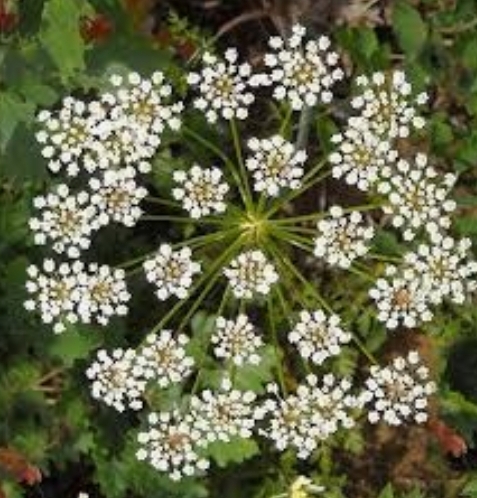
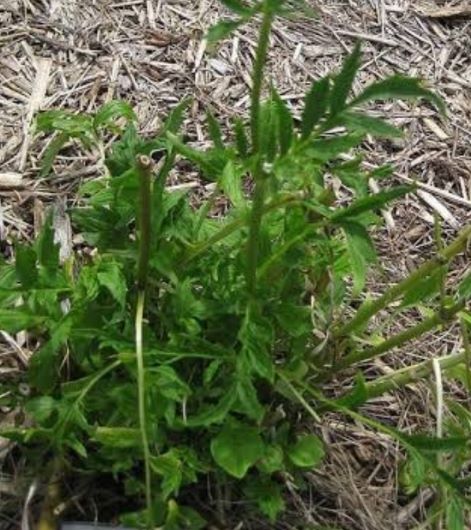
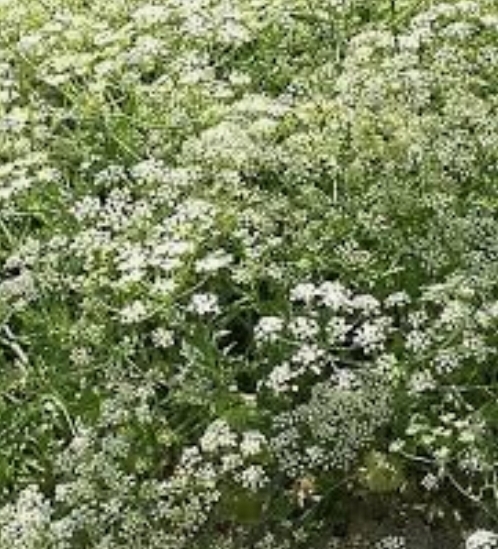
Botanically, the leaves near the bottom are simple, long to 5cm and shallowly lobed, while those growing higher on the stems are feathery, pinnate and divided into small leaflets. The flowers are either yellow or white, are very small and produced in loose clusters upon umbels. They are highly attractive to beneficial insects, with Anise being a favourable companion plant to other herbs such as Coriander, Dill and Basil.
Note: Germination instructions can be found in the ‘Germination Instructions Tab’ below. Upon purchase you will receive these detailed instructions via email so that you have a permanent record.
FAMILY:
Apiaceae
CLIMATE:
Temperate, Dry and Sub-Tropical.
TEMPERATURE RANGE:
5-30°C / 41-86°F
SOIL TYPE:
Well-draining.
LOCATION:
Full Sun.
HEIGHT:
Up to 90cm (3 feet)
WIDTH:
Up to 50cm (2 feet)
pH:
6.0-7.5
GROWTH TYPE:
Annual.
WATER REQUIREMENTS:
Light
POLLINATION:
Bees.
MATURITY:
120-140 days
GERMINATION RATES:
75-90%
GERMINATION TIME:
10-21 days at temperatures between 13-20°C / 55-70°F
GERMINATION DIFFICULTY:
Easy
SEEDS PER GRAM:
Approximately 400
MEDICINAL QUALITIES:
Yes
WEED POTENTIAL:
No.
EDIBLE:
Yes.
SEED STORAGE & VIABILITY:
Cold Storage at 4°C (Fridge) up to 2 years.
FACTS ABOUT PIMPINELLA ANISUM (Anise)
Ancient Romans were said to serve spiced cakes called Mustaceoe, made with Aniseed, at the end of feasts to assist their guests with digestion. This tradition is the basis for today’s tradition of serving cakes at weddings.
Anise can be made into a liquid scent and is used to attract fish for drag hunting and lures are dipped in it to attract fish.
Around the world, Anise is used to make confectionary and tasty treats. For example, Britain has aniseed balls and twists, Australia makes humbugs, New Zealand aniseed wheels, Italy has pizzelle and biscotti, Peru makes picarones, Germany pfeffernusse and Mexico has bizcochitos.
Many liquors are made from the liquorice flavoured Aniseeds. In Greece it is used to make Ouzo and Mastika. Sambuca is a favourite from Italy and range of absinthes are made in France. Most of these liquors are clear but when water is added becomes cloudy, a reaction known as the ouzo effect.